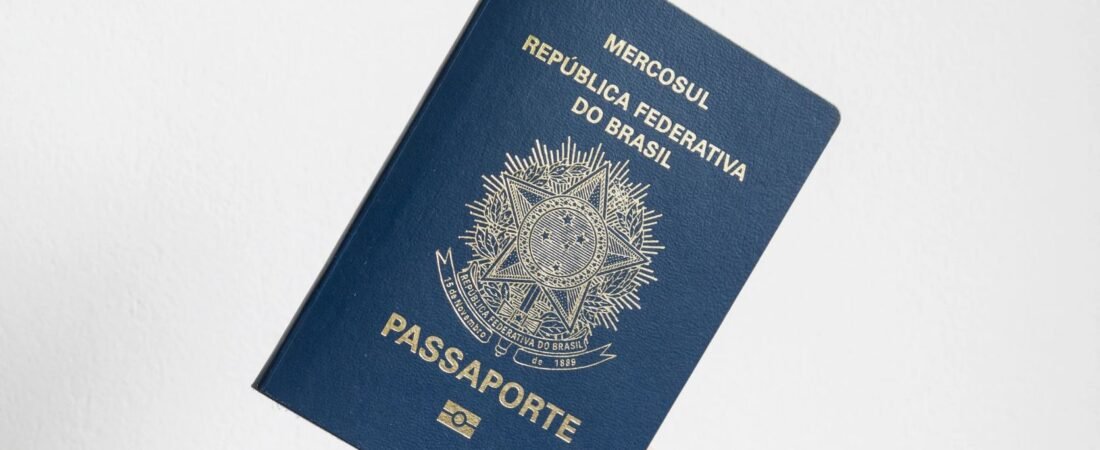
Planning an international trip requires careful preparation, especially when you need permission to enter another country. One of the most common questions travelers ask is, “How long does it take to get a visa?” The answer depends on the destination, visa type, applicant’s nationality, and time needed to review the application.
Some electronic visas may be processed within a few days, while other applications can take several weeks or months. Work visas, student visas, and immigration visas may require extra checks, employer documents, school records, medical exams, or interviews. Tourist and visitor visas may have shorter processing times, but delays can still occur.
Understanding visa processing times helps travelers choose suitable travel dates, prepare the right documents, and avoid last-minute problems. This guide explains the typical timeframes, the factors that affect processing, and the steps you can take to prepare a complete application.
How Long Does It Usually Take to Get a Visa?
Visa processing times vary by country and visa category. There is no single timeframe that applies to every application. Some online applications receive decisions within days, while applications that require interviews or detailed checks may take much longer.
The following table gives general planning estimates. These are not guaranteed processing times. Always check the official immigration website for the current timeframe that applies to your nationality and visa category.
| Visa type | General planning estimate |
| Electronic visa (eVisa) | A few days to several weeks |
| Tourist or visitor visa | A few days to several weeks, sometimes longer |
| Business visitor visa | A few days to several weeks |
| Student visa | Several weeks or longer |
| Work visa | Several weeks to several months |
| Family visa | Several weeks to many months |
| Permanent immigration visa | Several months or longer |
These ranges are broad estimates, not official service standards. The actual time may be shorter or longer. Some countries publish processing estimates by application type, while others provide individual updates after submission.
The time needed to receive a visa may also differ from the time needed to prepare the application. Collecting financial records, obtaining a sponsor’s documents, booking an appointment, and arranging translations can add days or weeks before the application is ready.
What Factors Affect Visa Processing Time?
Several factors influence how quickly immigration authorities make a decision. Understanding these factors can help you plan your application and travel dates.
1. Destination Country
Every country has its own immigration system, application rules, and review process. For example, the United States, United Kingdom, Canada, Australia, and countries in the Schengen Area use different procedures for visitor, student, and work visas.
Some countries allow applicants to submit documents online. Others require an appointment at an embassy, consulate, or authorized visa application center. These differences affect the total time needed to complete the process.
2. Type of Visa
The type of visa is one of the main factors that determines processing time. A short-stay tourist visa may involve a different review process from a student or work visa.
A work visa may require employer sponsorship, proof of qualifications, or approval from a labor authority. A student visa may require a letter of acceptance, evidence of funds, and other education-related documents. Family and permanent immigration applications may involve relationship checks, background reviews, and additional eligibility requirements.
For this reason, applicants should compare processing times for the exact visa category rather than relying on a general estimate.
3. Applicant’s Nationality
Visa requirements and processing procedures can differ according to nationality and country of residence. Some applicants may qualify for simplified online procedures, while others may need an in-person appointment or additional checks.
Applicants should use the official immigration guidance that applies to their passport and place of application. Information provided for one nationality may not apply to another.
4. Completeness of the Application
Missing documents can delay a visa decision. Immigration authorities may ask applicants to provide extra information, correct errors, or submit updated records.
Common problems include an expired passport, inconsistent travel dates, missing financial evidence, incomplete forms, and unclear sponsorship details.
Review the official document checklist before submitting your application. Make sure all information is accurate and consistent across the form and supporting documents.
5. Appointment Availability
Some visa applications require biometrics, an interview, or document submission at a visa application center. In busy periods, appointment slots may not be available immediately.
The waiting time for an appointment is not always included in the official visa processing estimate. Applicants should check both appointment availability and the time required for a decision.
6. Security and Background Checks
Some applications require additional identity, security, or background checks. These checks may increase processing time, and applicants may not be able to predict how long they will take.
If the immigration authority requests more information, respond within the stated deadline. Keep your contact details up to date so that you do not miss important messages.
7. Seasonal Demand
Visa application volumes often rise during popular travel periods, school admission seasons, and major holidays. High demand can affect appointment availability and decision times.
Apply as early as the official rules allow. Avoid making nonrefundable travel arrangements based only on an estimated decision date.
How Long Does It Take to Get a Tourist Visa?
A tourist visa allows eligible travelers to visit another country for permitted short-term activities, such as sightseeing, holidays, and visiting family or friends. Processing times depend on the destination, nationality, and application method.
Some electronic tourist visas may be processed within a few days. Traditional applications may take several weeks, particularly when an interview or additional review is required.
For example, travelers applying for a United States visitor visa may need to complete the DS-160 form and attend an interview, depending on the applicable rules. Waiting times for interview appointments vary by location and visa category.
Schengen short-stay visa applications are generally subject to a standard decision period of 15 calendar days. In individual cases, the period may be extended to up to 45 calendar days when further examination or additional documents are required.
Before applying, check the current processing guidance for your destination and nationality. Remember that appointment waiting time, document preparation, and passport return may increase the total time before you can travel.
How Long Does It Take to Get a Student Visa?
Student visa processing times depend on the destination country, course start date, institution, and applicant’s circumstances. Some applications are decided within a few weeks, while others take longer.
Applicants may need to provide a valid passport, proof of admission, financial evidence, academic records, and other documents required by the destination country. Some student visa categories also require medical examinations, biometrics, or background checks.
Students should check the official processing estimate before paying tuition or making travel plans. They should also confirm the latest date for arrival or registration with their educational institution.
Applying early can reduce the risk of missing a course start date. However, students must follow the country’s rules about how early an application can be submitted.
How Long Does It Take to Get a Work Visa?
A work visa may take several weeks or several months to process. The exact timeframe depends on the country, job type, employer, sponsorship rules, and applicant’s qualifications.
Some work visa systems require the employer to obtain approval or complete a sponsorship process before the worker can apply. The worker may then need to submit personal documents, employment details, qualifications, and evidence of eligibility.
Additional checks can increase the total time. These may include verification of work experience, professional credentials, medical information, or security records.
Applicants should confirm whether the published processing time begins when the worker submits the application or when the employer completes an earlier approval stage. These are separate steps and can have different timelines.
How Long Does It Take to Get a Visa for the United States?
The time required for a United States visa depends on the visa category and the applicant’s location. Visitor visas, student visas, employment-based visas, and immigrant visas follow different procedures.
For a visitor visa, an applicant may need to complete the DS-160 form, pay the required fee, schedule an interview when required, and submit supporting documents. The waiting time for an interview can vary widely between U.S. embassies and consulates.
After the interview, some applications may receive a decision quickly. Others may require additional administrative processing. If that happens, the overall timeframe can be longer.
Applicants should check the U.S. Department of State’s official visa appointment wait-time information and the guidance provided by the relevant embassy or consulate. Appointment wait times are estimates and do not guarantee when a visa will be issued.
How Long Does It Take to Get a UK Visa?
UK visa processing times depend on the visa type, application location, and whether the application is submitted from inside or outside the United Kingdom.
For many applications made outside the UK, published standard processing targets differ by category. For example, a Standard Visitor visa commonly has a published target of around 3 weeks, while some work and study categories may also have a target of around 3 weeks. These targets can change and do not guarantee a decision within that period.
Some applications take longer if the authorities need to verify documents, review personal circumstances, or conduct further checks. Priority services may be available for certain categories and locations, subject to eligibility and additional fees.
Check the official GOV.UK processing-time guidance for your visa category before applying. Follow the instructions given during the application process.
How Long Does It Take to Get a Canadian Visa?
Canadian visa processing times vary according to the type of application and the applicant’s country of residence. A visitor visa, study permit, work permit, and permanent residence application may have very different timelines.
Applicants may need to submit a valid passport, proof of funds, travel or study information, employment details, or other supporting documents. Some applicants must also provide biometrics.
Canada’s official immigration website publishes processing-time information for many application types. These estimates may change as application volumes and individual case requirements change.
Check the current estimate for your exact application category and country. If your application requires biometrics or additional documents, allow time to complete those steps.
How Long Does It Take to Get a Schengen Visa?
A Schengen short-stay visa generally allows eligible travelers to visit the Schengen Area for up to 90 days within any 180-day period, subject to the visa and entry rules.
Under the standard procedure, a Schengen visa application is generally decided within 15 calendar days. In certain cases, the decision period may be extended to 45 calendar days if a more detailed examination is needed or additional documents are requested.
The time needed to obtain an appointment can be separate from the decision period. Applicants should therefore check the relevant consulate’s appointment system and application instructions.
You should generally apply no earlier than 6 months before the planned trip and at least 15 calendar days before departure. Applying well in advance is useful because appointment availability and individual processing times can vary.
How Long Does an eVisa Take to Process?
An electronic visa, or eVisa, is a visa application or authorization processed through an online system. Some countries offer eVisas for tourism, business visits, or other approved purposes.
Processing time varies by country and visa type. Some eVisa applications may receive a decision within a few days, while others can take longer because of document checks or additional review.
An online application does not always mean immediate approval. Applicants must still meet the eligibility rules and provide the required information.
Use the official government website to apply and check the stated processing time. Be careful with third-party websites that charge extra service fees or claim to guarantee approval.
How Can You Get a Visa Faster?
Applicants cannot control every part of the immigration process, but they can reduce avoidable delays by preparing carefully.
First, check the official requirements for your nationality and visa category. Prepare all required documents before submitting the application. Make sure passport details, names, dates, financial records, and travel plans are consistent.
Second, submit the application within the permitted application window. If an appointment is required, check availability early and attend with the requested documents.
Third, monitor your email and application account. Respond promptly if the immigration authority asks for additional information.
Some countries offer priority or expedited processing for eligible visa categories. These services may involve additional fees and specific conditions. They are not available for every application, and they do not guarantee approval.
Never submit false documents or pay an unofficial agent who promises a guaranteed visa. Such actions may result in refusal and other immigration consequences.
When Should You Apply for a Visa Before Traveling?
The best time to apply depends on the destination country, visa category, and official application window. Travelers should consider both the time needed to prepare documents and the time required for an appointment and decision.
For a short-stay visa, check the earliest date you can apply and the latest recommended date. For a student or work visa, begin preparing as soon as you have the required admission, employment, or sponsorship documents.
Avoid booking nonrefundable flights before understanding the visa requirements. If you must book in advance, review the airline’s and accommodation provider’s change and cancellation policies.
A practical travel plan should allow extra time for delays, especially during busy seasons. No processing estimate can guarantee that a visa will be issued by a specific date.
How to Check Your Visa Application Status
Most countries provide instructions for checking an application after submission. Depending on the visa system, you may be able to use an online account, application reference number, email updates, or a visa application center’s tracking service.
Keep your application reference and payment receipt in a safe place. Check the official system for updates and read any messages carefully.
A status such as “received” or “processing” usually means that the application is still under review. It does not mean that the visa has been approved.
If the published processing period has passed, follow the official contact procedure for your application type. Avoid sending duplicate applications unless the relevant authority advises you to do so.
Frequently Asked Questions About Visa Processing Times
How many days does it take to get a visa?
It may take a few days, several weeks, or several months. The timeframe depends on the destination country, visa category, nationality, application completeness, and any required checks. Check the official processing estimate for your specific application.
Can I get a visa in 24 hours?
Some countries offer rapid processing for certain electronic visas or eligible expedited applications. However, a 24-hour decision is not available for every destination or visa type. Confirm the official service and eligibility rules before making plans.
Why is my visa taking so long?
A visa may take longer because of high application volumes, limited appointment availability, missing documents, identity checks, security screening, or a request for further information. Review your application account and follow any instructions from the immigration authority.
Does a visa processing time include weekends?
It depends on the country and the published processing rule. Some estimates use calendar days, while others use working days. Read the official guidance carefully to understand how the timeframe is calculated.
Can I travel while my visa application is processing?
You should not assume that you can travel before your visa is issued. Some countries may require your passport during processing, while others may allow you to keep it. Confirm the rules with the relevant authority and do not travel unless you have the required permission.
Does paying for priority processing guarantee visa approval?
No. Priority processing, where available, may speed up the decision process, but it does not guarantee approval. Applicants must still meet all eligibility and document requirements.
Can I speed up a delayed visa application?
In some cases, the immigration authority may provide a process for reporting urgent circumstances or requesting an update. The options depend on the country and visa category. Contact the official authority and provide evidence if the rules allow an urgent request.
Is a visa issued on the same day as an interview?
Not always. Some applications receive a decision shortly after an interview, while others require further checks. Even after approval, the visa or passport may need additional time for issuance and return.
Where can I find the most accurate visa processing time?
Use the official immigration website or embassy responsible for your application. For example, the U.S. Department of State provides visa appointment wait-time information, GOV.UK publishes UK visa processing guidance, Immigration, Refugees and Citizenship Canada provides Canadian processing estimates, and the European Commission explains Schengen visa rules.
Conclusion
The time required to get a visa depends on the destination, visa category, nationality, document requirements, and application review process. Some electronic visas may be processed within days, while student, work, family, and immigration applications can take weeks or months.
To plan your trip, check the official processing estimate, prepare complete and accurate documents, book appointments early, and monitor your application status. Allow extra time for delays and avoid relying on unofficial promises.
If you are applying for a tourist, visitor, student, or work visa, use the current government guidance for your exact category. This is the most reliable way to understand the expected timeframe and prepare for international travel.